An introduction
The killdeer
A small, two-banded plover that prefers the ground to the trees, lives by its voice, and quietly raises its young in the openings left between mowed lawns and paved drives.
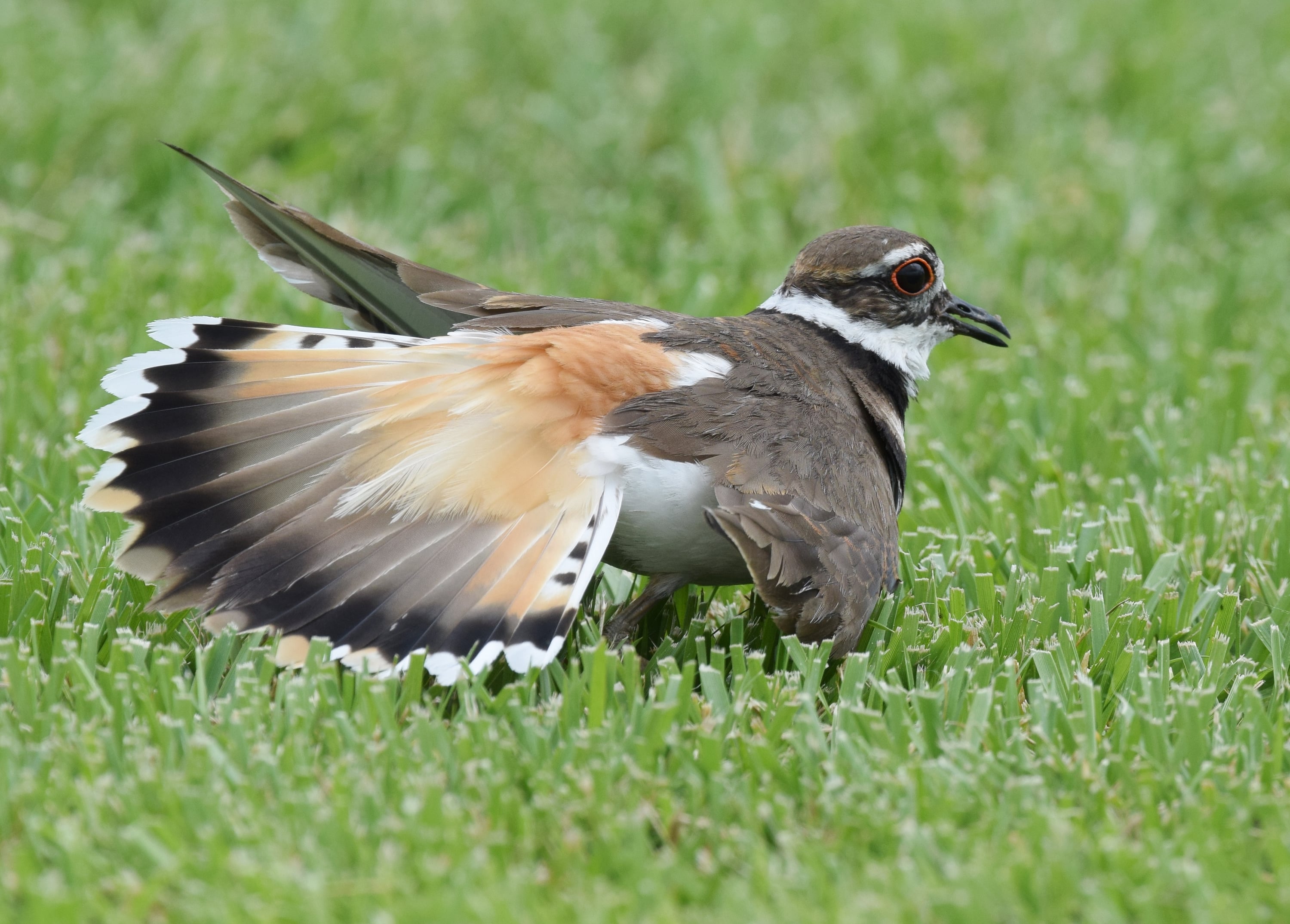
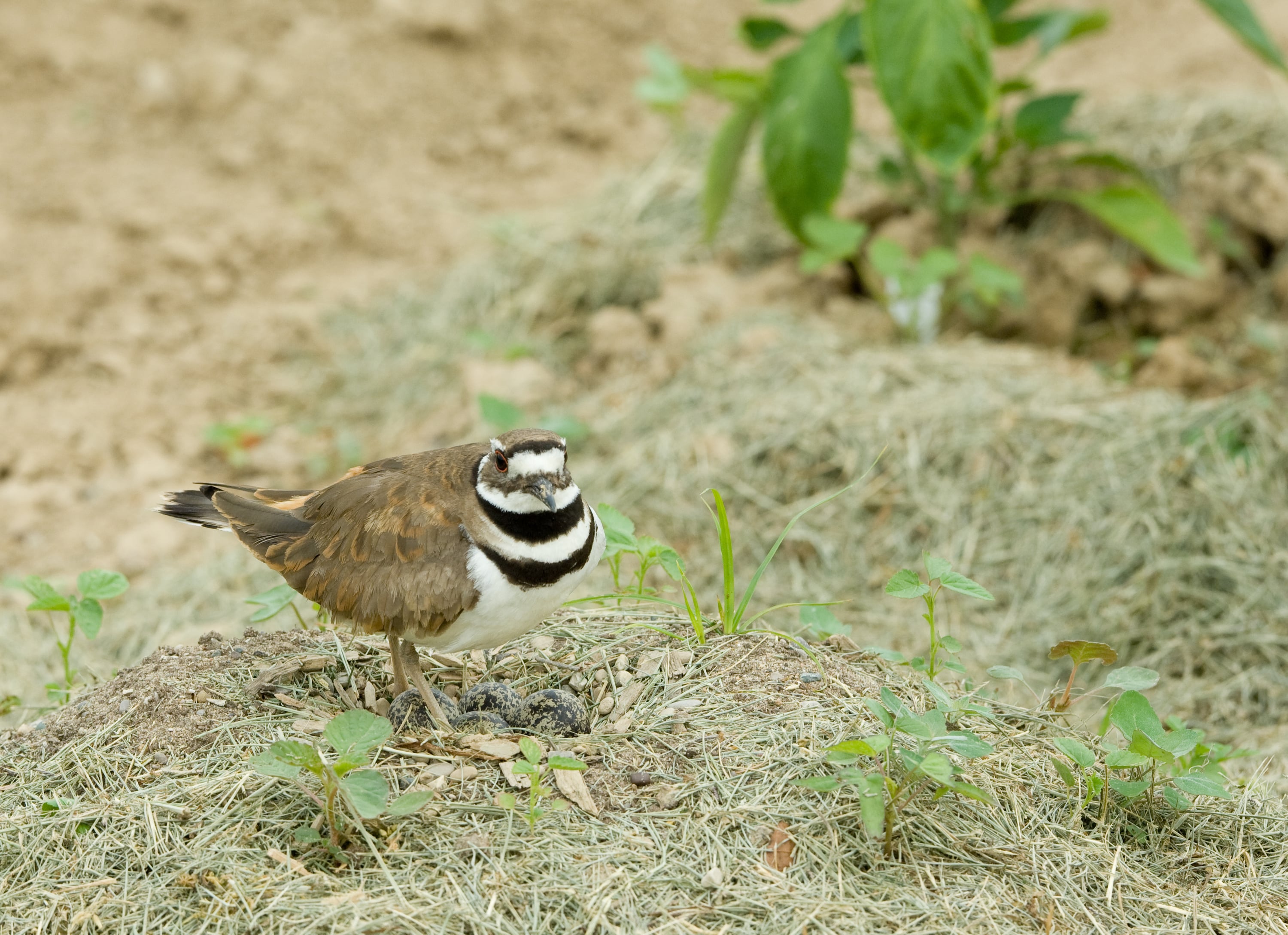
The killdeer (Charadrius vociferus) is about ten inches long - robin-sized but longer-legged, with a tail that tapers past the wings at rest. The field marks are unmistakable at close range. Two clean black bands cross a white breast. A black mask runs through the eye and meets a black bar over the forehead. The legs are long and pale; the bill is short and dark; a vivid red orbital ring rims the eye. In flight the back opens into a bright rufous-orange rump, edged in white and stopped by a black subterminal band on the tail.
Across most of the lower forty-eight, the killdeer is a year-round resident, and South Carolina is no exception. It breeds statewide, including the Lowcountry, where it favors the same kind of disturbed, open, sparsely vegetated ground that suburbs produce in abundance: gravel shoulders, sandy new-construction lawns, school playing fields, parking-lot medians, the edges of driveways. Flat gravel rooftops do just as well. The bird does not so much tolerate human landscapes as exploit them.
Its species epithet vociferus - "loud-voiced" - earns its keep. The killdeer announces itself with a sharp, repeated kill-deer, day and night, from the ground and from low flight. The call is a contact note between mates and an alarm to intruders, and a parent near a nest will deliver it for many minutes at a stretch without tiring.
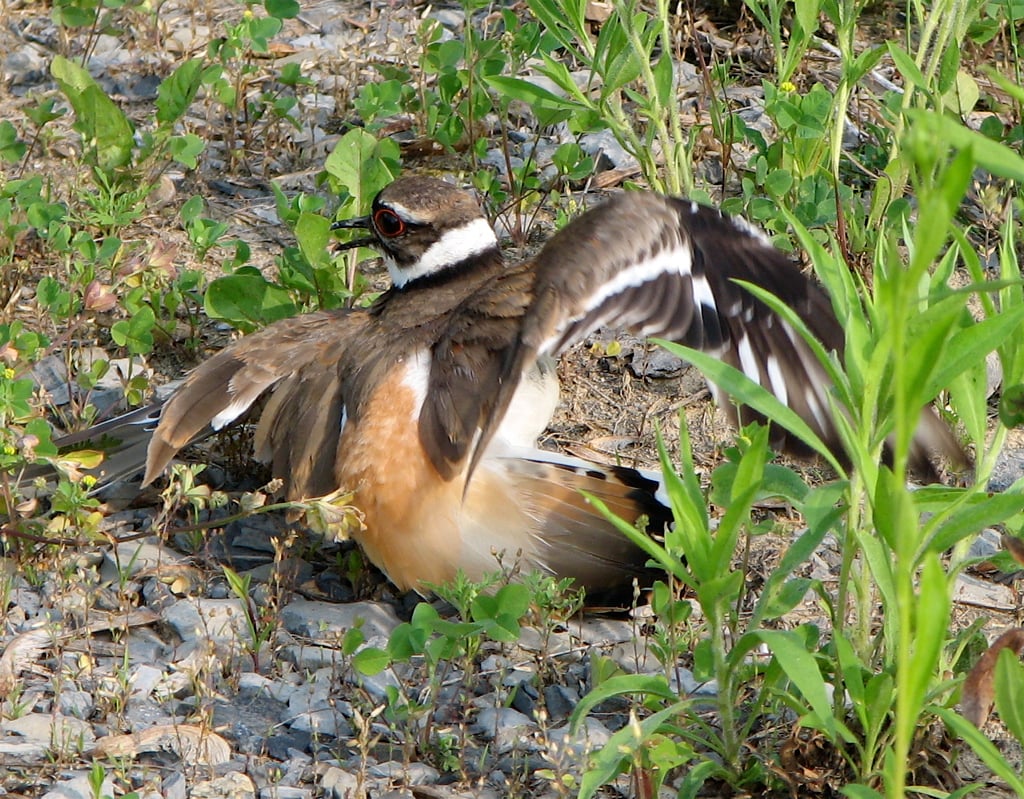
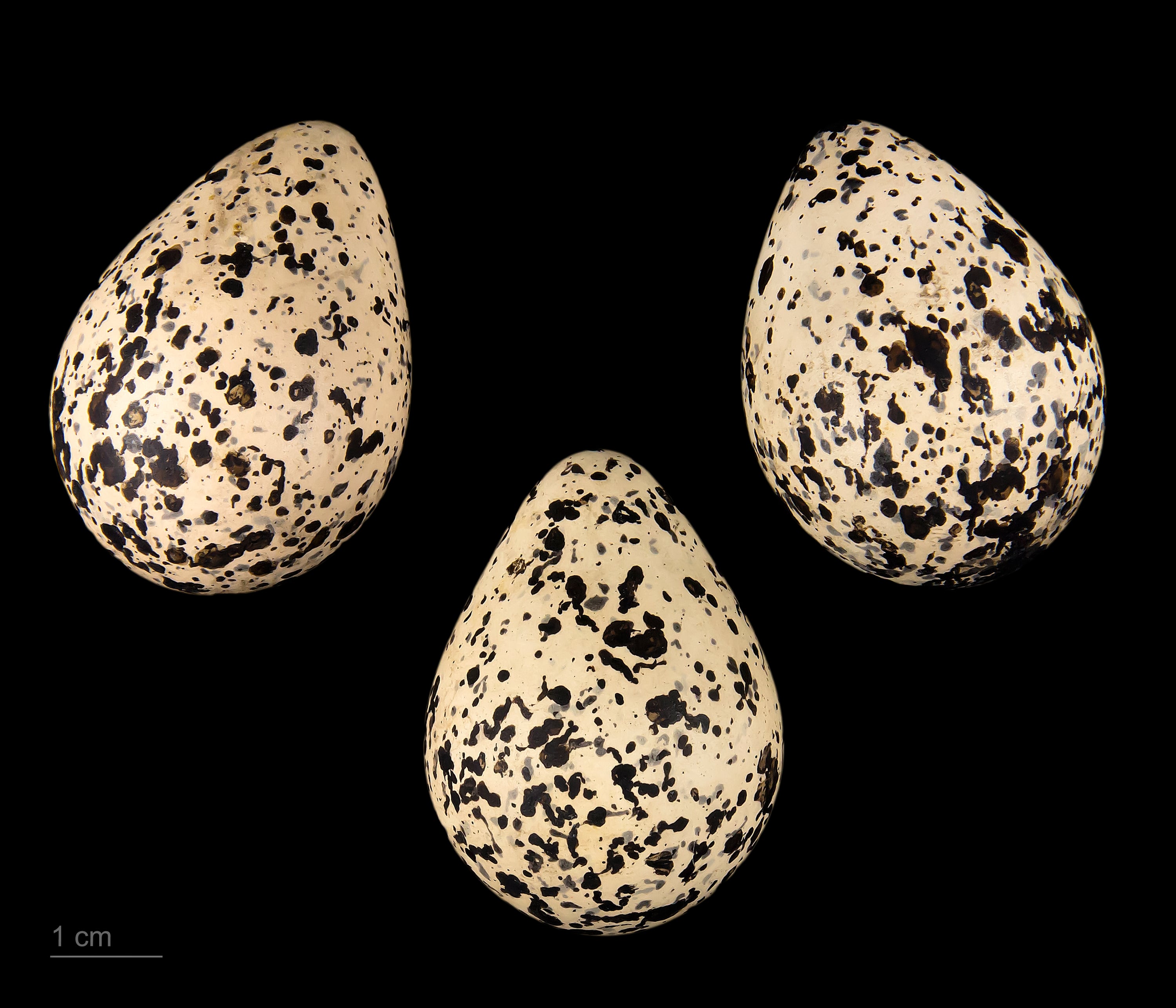
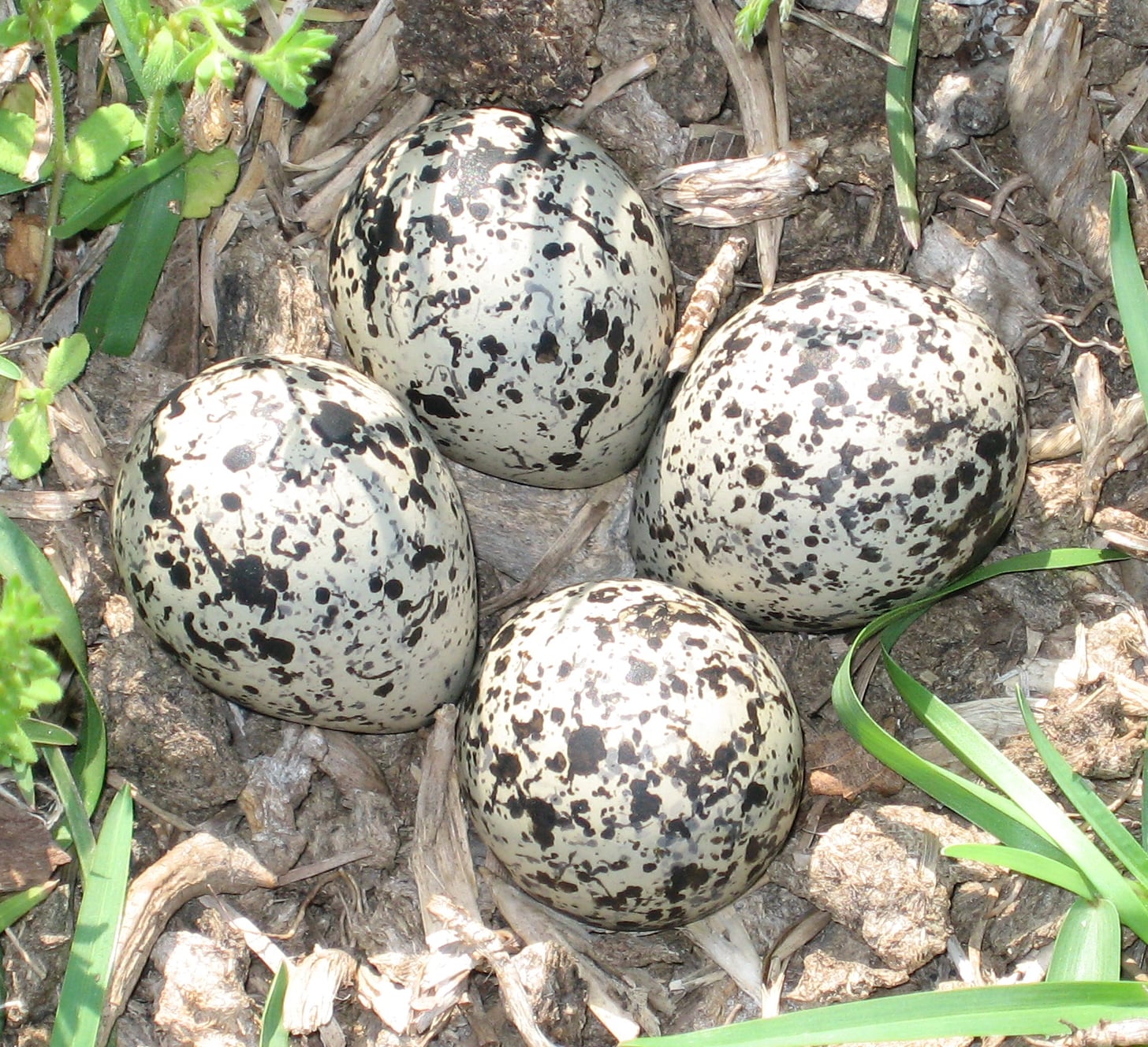
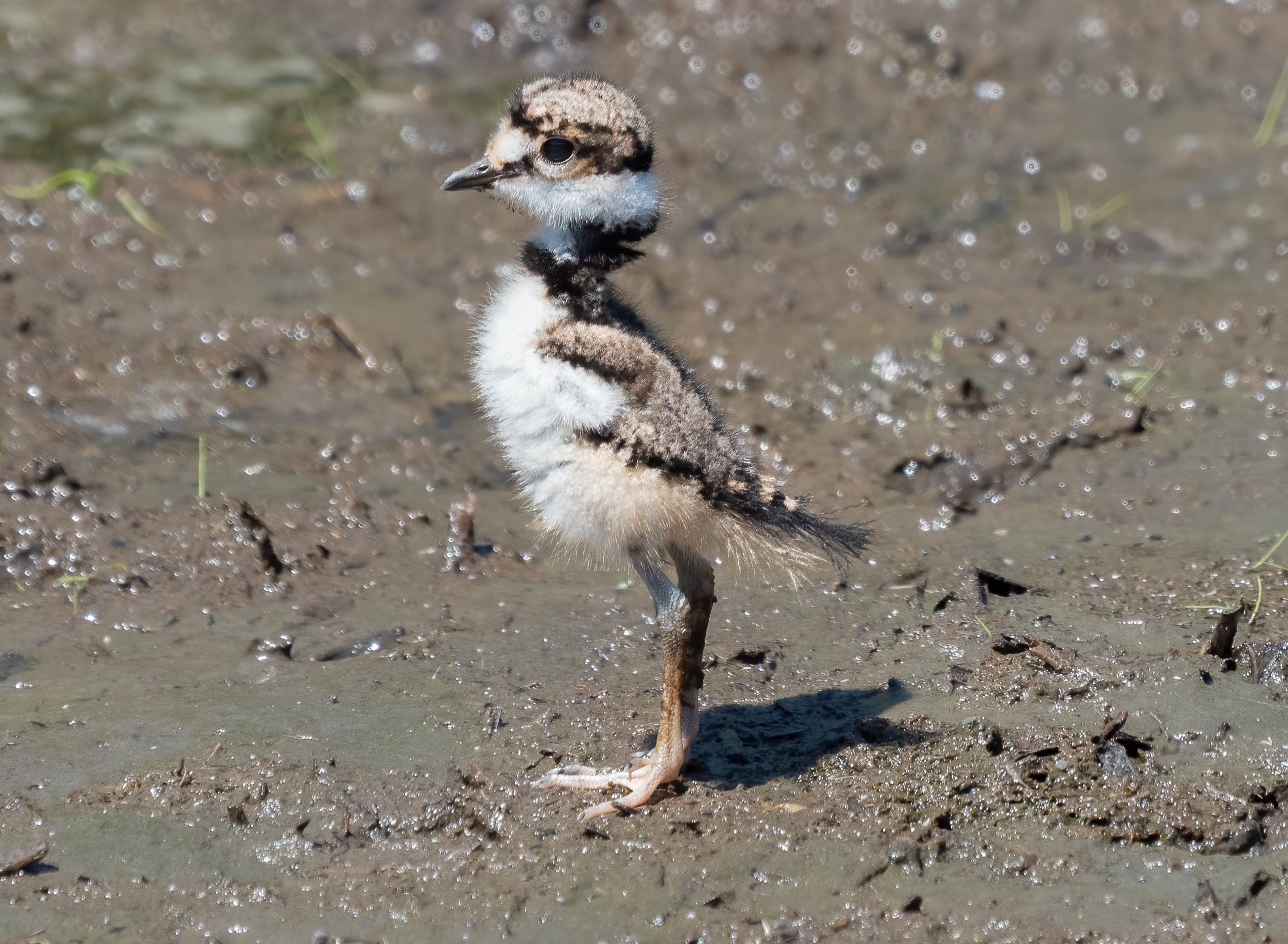
What makes the killdeer remarkable is not rarity. It is common because it is good at what it does - and what it does is raise the next generation on bare ground, in plain sight, surrounded by predators and lawnmowers, using only camouflage, vigilance, and a single piece of theater so convincing it has its own scientific literature. The bird is everywhere, and almost nobody sees it. That is the point of the exhibit.
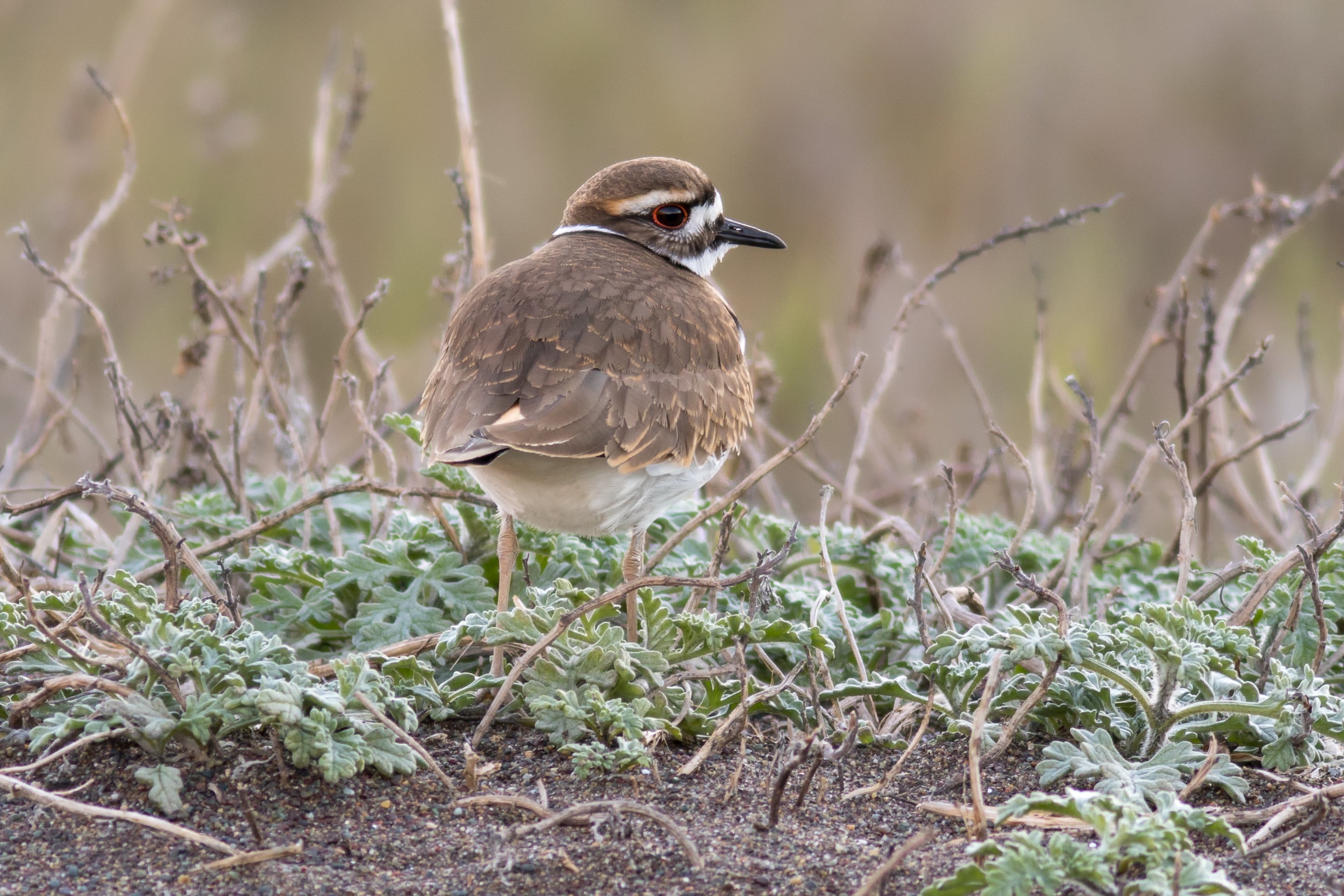
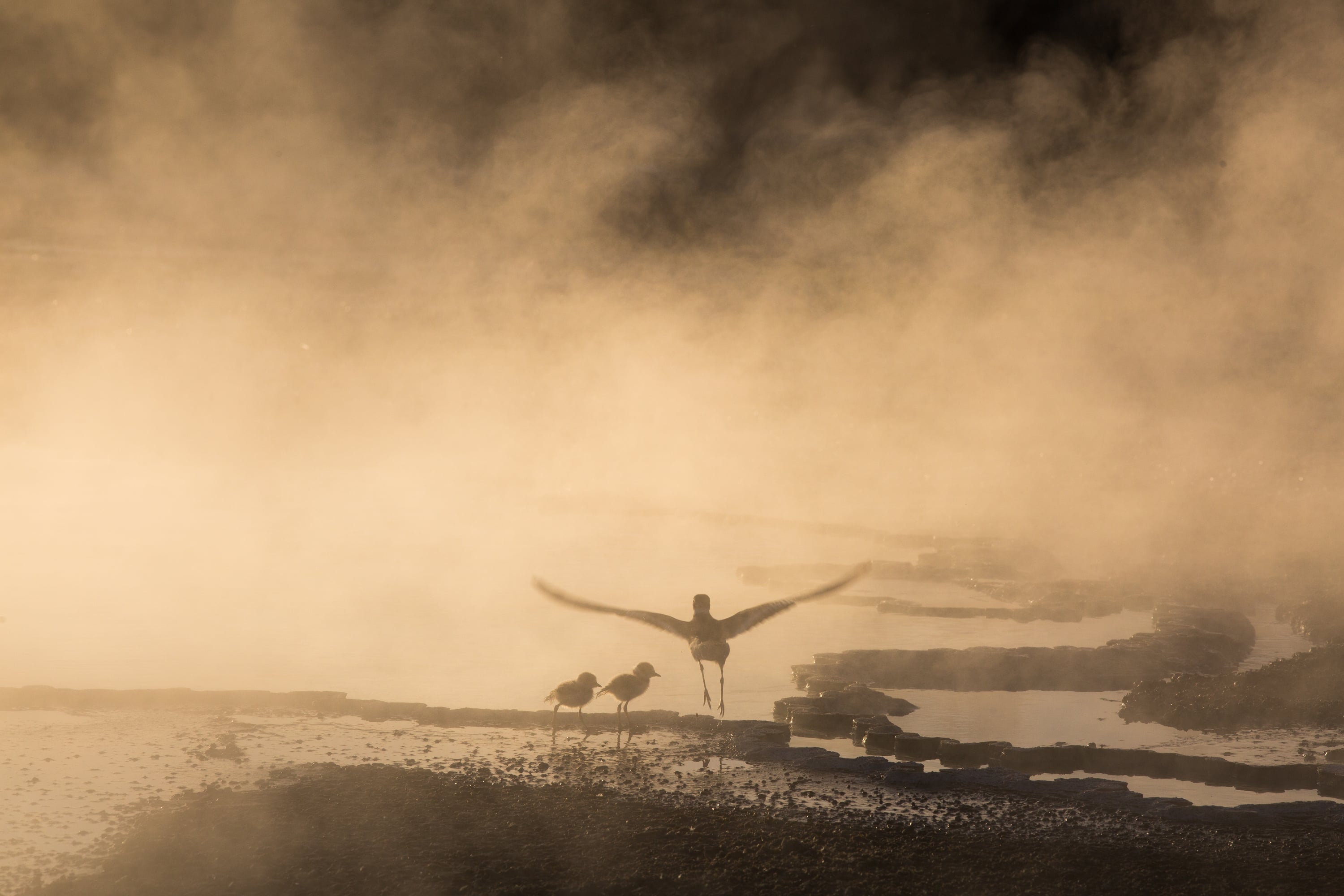
A killdeer foot-trembles in damp grass - standing on one leg, vibrating the other against the soil to flush a beetle within reach of the bill. It is hunting. It is also, almost certainly, a parent.

.jpg)


.jpg)
.jpg)
.jpg)